

Summary
Performance begins long before race day. Every training session builds adaptations that help endurance athletes meet the demands of prolonged exercise, recover and become more resilient.
Emerging research shows that carbohydrate quality matters in this process. With its slow and sustained glucose release, Palatinose™ helps maintain a more stable blood glucose profile. Recent peer-reviewed studies highlight how this characteristic can support athletes in three important training situations: promoting metabolic adaptations during ultra-endurance training, supporting hydration during exercise in the heat and contributing to overnight recovery through improved sleep quality. Together, these findings indicate that Palatinose™ can be a valuable training companion throughout the endurance journey.
In this article, we explore:
- Why endurance performance is built during training
- How Palatinose™ supports a more stable blood glucose profile
- How it may promote metabolic adaptations during ultra-endurance training
- Why carbohydrate choice matters during exercise in the heat
- How bedtime nutrition with Palatinose™ supports overnight recovery
- Why Palatinose™ can be a valuable training companion
Performance begins long before race day
Every endurance athlete knows that race day is only the visible part of the story. The real work begins much earlier: in the long runs before sunrise, the steady rides, the heat sessions, the recovery days and the repeated routines that gradually prepare the body for what lies ahead.
That is what training is all about. Not simply completing today’s session but building the adaptations that make tomorrow’s performance possible. The body learns to use energy more efficiently, tolerate demanding conditions, recover faster, and return stronger for the next session.
Nutrition is part of this process. Not only does it need to provide energy, it can also support the physiological adaptations that athletes are striving to achieve. This is where the choice of carbohydrates can make the difference. The slow-release carbohydrate Palatinose™ (isomaltulose) provides a more gradual and sustained release of glucose than conventional fast-acting carbohydrates. As a result, it helps maintain a more stable blood glucose profile. This benefit deserves closer attention throughout the different stages of endurance training.
Recent research has explored how this characteristic can support athletes in three important training situations: ultra-endurance preparation, exercise in the heat, and overnight recovery.
Ultra-endurance training: Teaching the body to go longer
Preparing for an ultra-endurance event takes endurance training to another level. Whether it is an ultramarathon, an Ironman, ultra-distance cycling, open-water swimming or long-distance cross-country skiing, these events push athletes to perform for six hours, 12 hours, 24 hours or even longer. During such events, athletes can accumulate energy deficits of up to several thousand calories[1], making the ability to resist exhaustion and keep going essential for success. At that point, energy management becomes critically important. Glycogen stores are limited, carbohydrate uptake during racing is constrained, whereas body fat provides a much larger energy reserve.
That is why ultra-endurance training often involves high volumes of low-intensity exercise. The aim is to increase the body’s capacity to oxidise fat and develop metabolic flexibility. This means improving the ability to use both carbohydrates and fat efficiently, depending on the demands of the session. As a result, well-trained athletes can achieve remarkably high rates of fat use, helping them rely more strongly on this abundant energy source during prolonged efforts.[2]
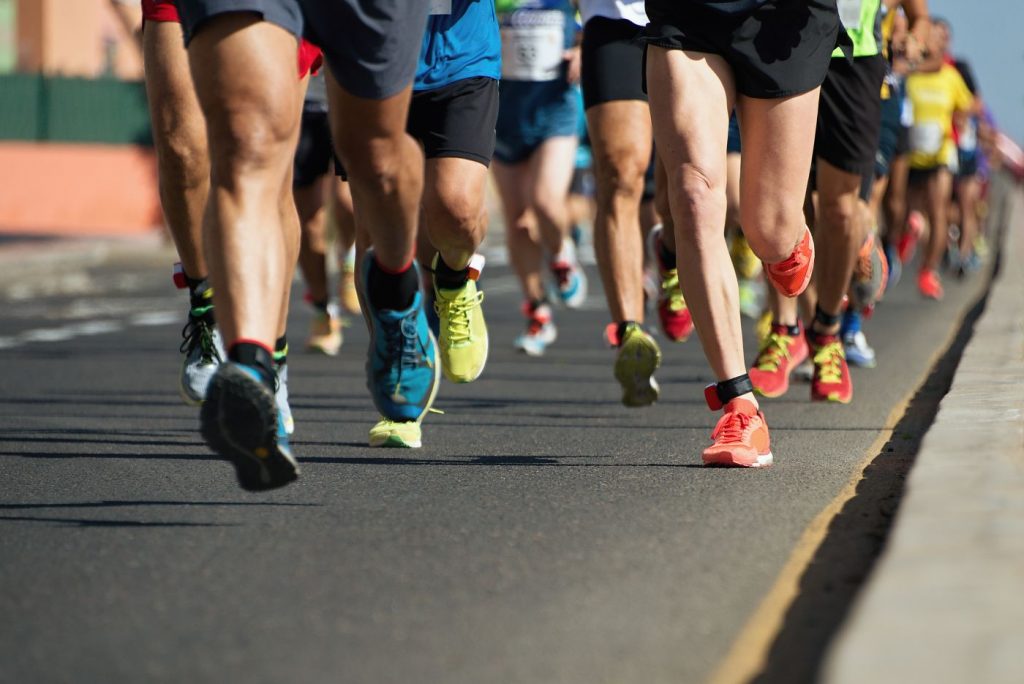
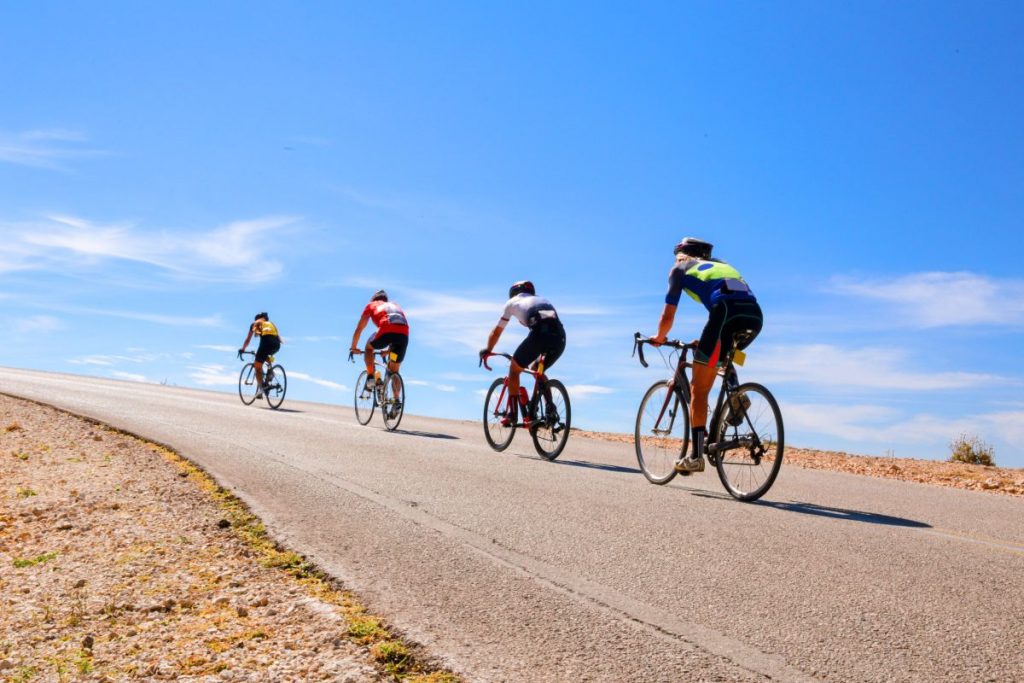
A recent four-week training study with ultra-endurance athletes illustrates how Palatinose™ may fit into this process[3]. Athletes used Palatinose™ instead of maltodextrin in carbohydrate drinks before, during and after training sessions, while following a low-glycaemic diet and continuing their usual training routine. Continuous glucose monitoring showed that training with Palatinose™ helped athletes maintain more stable blood glucose levels, keeping them within the desired range for longer and reducing glucose dips.
At the same time, athletes achieved higher rates of fat oxidation during exercise, without compromising performance. Over the training period, these effects became more pronounced, suggesting that Palatinose™-based training drinks and fueling systems may help support the metabolic adaptations that ultra-endurance athletes are trying to build.
Exercise in the heat: Meeting the hydration challenge
Now imagine those training sessions taking place in the heat. Suddenly, the challenge intensifies. Energy supply remains essential, but hydration demands even greater attention. Heavy sweating increases fluid losses, and the cardiovascular system must work harder to maintain performance and regulate body temperature.
Hydration becomes a key part of preparation. But recent research suggests that the type of carbohydrate in a training drink may also influence how effectively the body manages fluid.
Studies conducted during cycling in hot conditions have shown that drinks containing Palatinose™ rather than sucrose help athletes maintain a higher plasma volume[4]. This means, they retain more fluid in their bodies, and reduce the strain on their cardiovascular systems, as reflected by a lower heart rate during exercise[5]. At the same time, body temperature, sweat rate and perceived comfort remained comparable[6], while athletes tended to perform better with Palatinose™.
The story continued after exercise. During recovery, Palatinose™-containing drinks supported more effective rehydration, where athletes were able to retain more of the fluid they consumed. This appears to be linked to the slower and sustained absorption and more stable blood glucose response of Palatinose™.[7],[8]
For athletes preparing for hot-weather training camps or competitions in challenging climates, this points to an important idea: a training drink can do more than energy supply. With the right carbohydrate, it may also help support hydration and cardiovascular stability when the body is under heat stress.
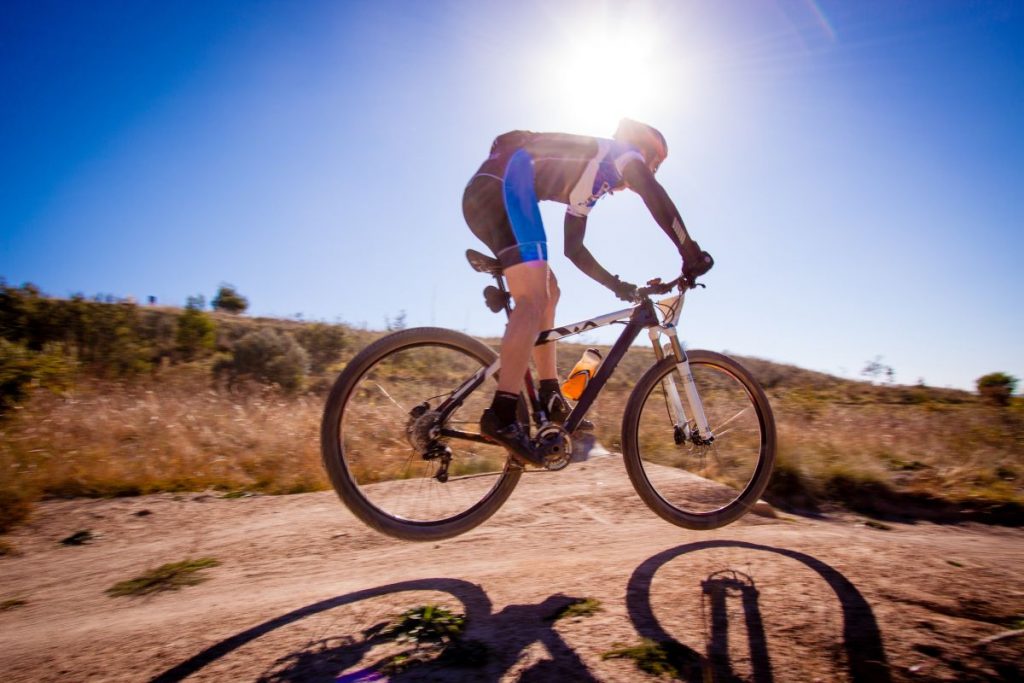
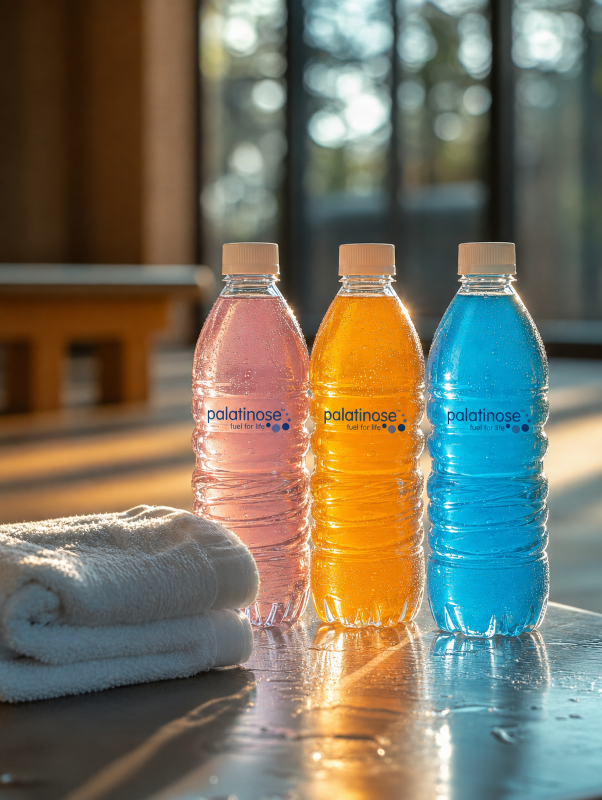
Recovery and sleep: Extending adaptation into the night
Training effects and adaptation do not end when the watch stops. Some of the most important processes happen afterwards—especially overnight. During recovery and sleep, the body repairs, replenishes, and prepares for the next session.
For well-trained endurance athletes, however, the night may not always be as restful as it should be. With their elevated resting metabolic rates, they continue to burn substantial amounts of energy even while they sleep. Waking up hungry or experiencing restless sleep is therefore not uncommon. This makes bedtime nutrition – the last drink or snack before sleep – an important part of the training journey.

Here, too, the choice of carbohydrates matters. A recent study showed that a bedtime drink containing Palatinose™ instead of glucose helped keep blood glucose levels more stable during the first half of the night, improved sleep quality and extended the time spent in deep, slow-wave sleep[9]. This stage of sleep is particularly important for physical recovery while also supporting memory consolidation and preparation for the next day’s training.
For athletes following demanding training schedules, this points to another opportunity: recovery does not stop when the lights go out. With the right carbohydrate before bed, nutrition can continue to support adaptation and recovery throughout the night.
More than a carbohydrate: A training companion
Ultra-endurance training, exercise in the heat and overnight recovery may seem like very different challenges. Yet they are all part of the same training journey. Across each of these situations, Palatinose™ helps support more stable blood glucose levels while contributing to key aspects of endurance training schemes—from metabolic flexibility and hydration to overnight recovery.
Taken together, these examples show that carbohydrate quality matters throughout training and preparation. Palatinose™ is the key to supporting athletes beyond energy supply alone. It is suitable for sports drinks, training beverages, fuelling systems and bedtime drinks.
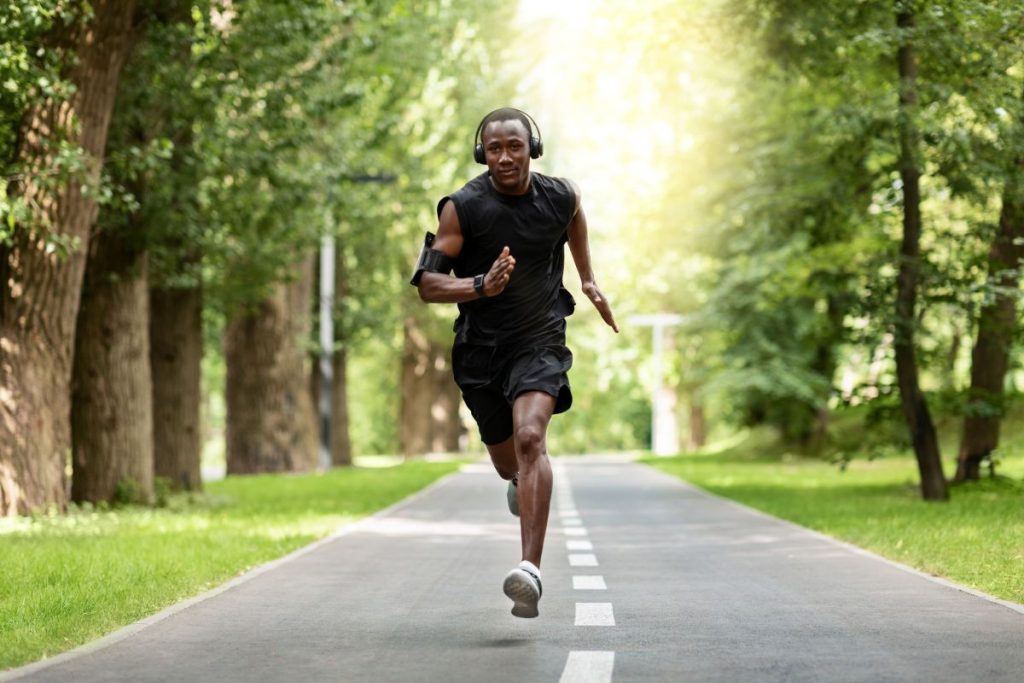
Palatinose™ is a valuable training partner for endurance athletes, providing sustained energy release that helps them reach their full potential on race day.
Continue the endurance journey
Explore the scientific evidence, ingredient characteristics and additional resources on Palatinose™.
Key takeaways
✅ Endurance performance is built during training, where fuel efficiency, fat utilisation, hydration and recovery all play important roles.
✅ Palatinose™ provides a slower and more sustained glucose release, helping maintain a more stable blood glucose profile and supporting different aspects of endurance training beyond energy supply alone.
✅ During ultra-endurance training, studies indicate that Palatinose™ can support metabolic adaptations and higher fat utilisation.
✅ During exercise in the heat, Palatinose™-based beverages have been shown to support hydration and cardiovascular stability.
✅ As part of a bedtime drink, Palatinose™ can help maintain a more stable blood glucose profile during the first half of the night and may contribute to sleep quality and overnight recovery.
✅ Carbohydrate quality deserves consideration across the different phases of endurance preparation. Palatinose™ can be a valuable training companion throughout this journey; from training to race day.
Further reading
References
[1] Nikolaidis et al (2018) Nutrients 10(12): 1995. https://doi.org/10.3390/nu10121995
[2] Tiller et al (2019) J Int Soc Sports Nutr 16: 50. https://doi.org/10.1186/s12970-019-0312-9
[3] Hamilton et al (2025) Eur J Sport Sci 25:e70092. https://doi.org/10.1002/ejsc.70092
[4] Amano et al (2022) Physiol Behav 249:113770. https://doi.org/10.1016/j.physbeh.2022.113770
[5] Takada et al (2022) Eur J Appl Physiol 122(12):2615-2626. https://doi.org/10.1007/s00421-022-05044-9
[6] Otsuka et al (2021) Int J Environ Res Public Health 18 (11):5760. https://doi.org/10.3390/ijerph18115760
[7] Amano et al (2019) Exp Physiol 104: 1494–1504. https://doi.org/10.1113/EP087843
[8] Amano et al (2021) Eur J Nutr 60, 4519–4529. https://doi.org/10.1007/s00394-021-02614-z
[9] Gaylor et al (2025) Nutr Res 134: 49-59. https://doi.org/10.1016/j.nutres.2024.11.012.