
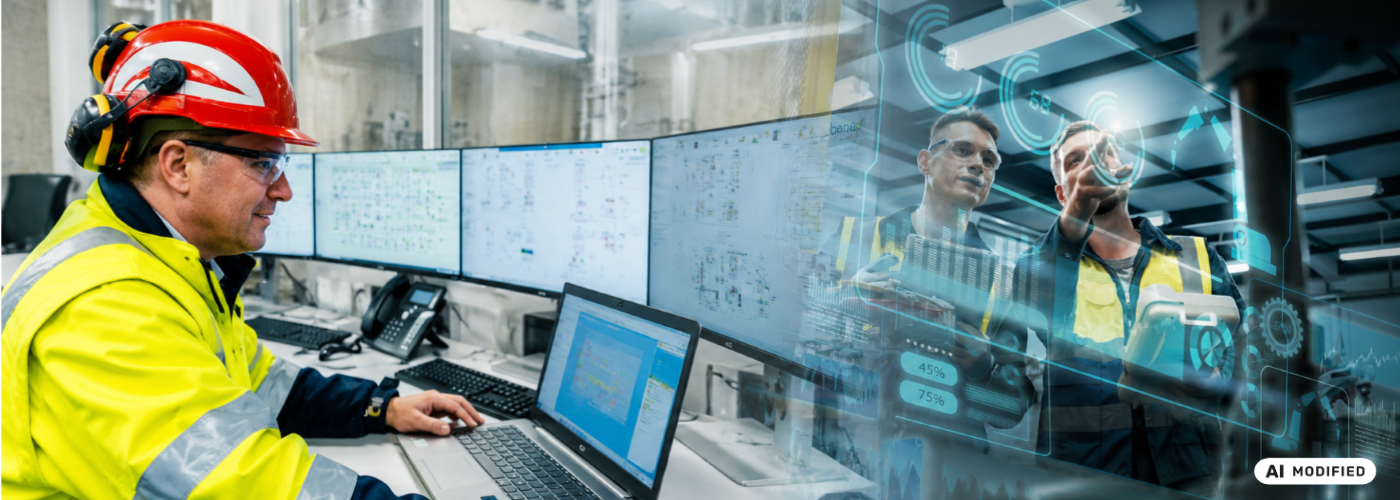
Having a strategy is important. But its true value lies in how it is put into practice every day. The same is true for sustainability. Clear targets, compelling presentations and concise key messages all have their place. But real progress happens when colleagues bring sustainability to life through their daily work.
This is especially crucial at our production sites. They play a crucial role in delivering on our goal to mitigate our impacts on the planet. This is, one of the pillars of our Healthy Planet Plan, BENEO’s sustainability strategy. Whether it is using water responsibly, reducing greenhouse gas emissions or increasing circularity: Achieving meaningful progress in these areas depends on the commitment, expertise and dedication of our operations colleagues. They are the ones, who turn ambition into action every day.
Summary
BENEO’s Sustainability Ambassadors in Operations help turn the company’s Healthy Planet Plan into practical action at local production sites. In this interview-based post, five Ambassadors explain how they build awareness, improve collaboration and strengthen sustainability data in their day-to-day work. Their examples span water management, energy efficiency, waste reduction, certification and life-cycle assessment. Together, their experiences show why progress relies on local ownership, transparent information and colleagues across the site working towards shared priorities.
In this article, we explore:
- How the Sustainability Ambassador role connects local operations with BENEO’s central sustainability team.
- Examples of site-specific work on water, energy, waste and sustainability data.
- The practical challenges the Ambassadors face, from data traceability to prioritising an additional role.
- Why cross-site exchange and employee engagement matter for continuous improvement.
- The projects that will shape the next phase of work at BENEO production sites.
What the Sustainability Ambassador role involves
Last year, BENEO assigned a new role in each of our production sites: the Sustainability Ambassadors in Operations. Their function: act as local contact person for sustainability topics and projects and supporting the work of BENEO’s sustainability team.
The responsibilities of the Sustainability Ambassadors include:
- Promoting awareness and engagement on site, for example by organizing awareness campaigns or training sessions about sustainability
- Fostering collaboration by acting as a point of contact for sustainability-related projects. They ensure collaboration between all BENEO production sites and with BENEO’s central sustainability department
- Monitoring and reporting sustainability metrics and facts by taking care of data collection on site level. The ambassadors share relevant sustainability information from the site for stakeholder requests
One and a half years into filling the new role, I talked to our Sustainability Ambassadors. My goal was to learn about their experience so far. Here is what they shared.
Being a Sustainability Ambassador in three words
To get a first impression, I asked the Ambassadors to describe their experience in three words:
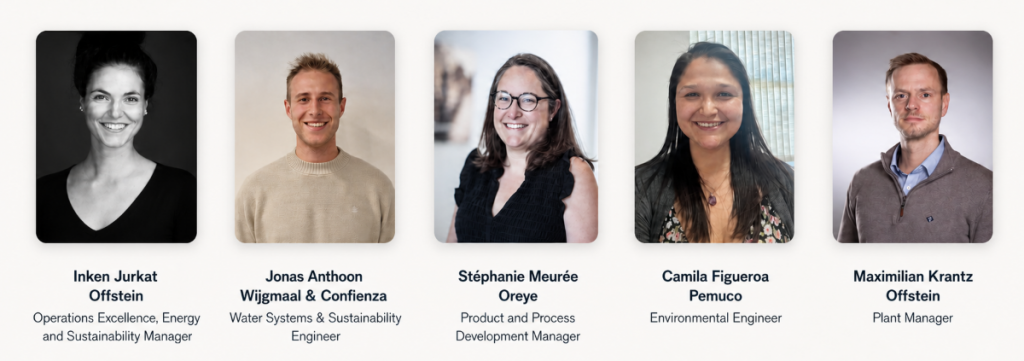
- Inken Jurkat (Offstein, Germany): Connector, driver, implementer.
- Jonas Anthoon (Wijgmaal, Belgium): Ownership, awareness, impact-driven.
- Stéphanie Meurée (Oreye, Belgium): Communication, structuring, centralize.
- Camila Figueroa (Pemuco, Chile): Focus, harmonize, concretize.
- Maximilian Krantz (Offstein, Germany): Connection, awareness, improvements.
Structuring, harmonizing, improving, centralizing and creating impact all at the same time? Seems like a complex job.
Making progress: The biggest achievements so far
While BENEO’s sustainability strategy offers a global framework for the entire company, having seven production sites in five countries requires a localized approach. That’s because the individual conditions of each location need to be taken into account.
Our production sites differ significantly. Aside from our chicory root fibre plants in Oreye (Belgium) and Pemuco (Chile), each site processes different raw materials. These include rice, faba beans or beet sugar, for instance. They also use different production methods, such as wet vs. dry processing. Local factors, including resource availability like water, also vary, resulting in distinct sustainability priorities across our operations.
Let’s have a look at the biggest milestones achieved at the BENEO production sites in the recent past.
Why local context matters:
Production sites differ in raw materials, processing methods and available resources. The examples below therefore reflect locally relevant priorities rather than a single, one-size-fits-all solution.
Awareness, energy efficiency and networking
At the production plant in Goes (Netherlands) a big achievement has been increasing awareness about how different process settings influence sustainability outcomes. For example, that higher temperatures result in higher energy use.
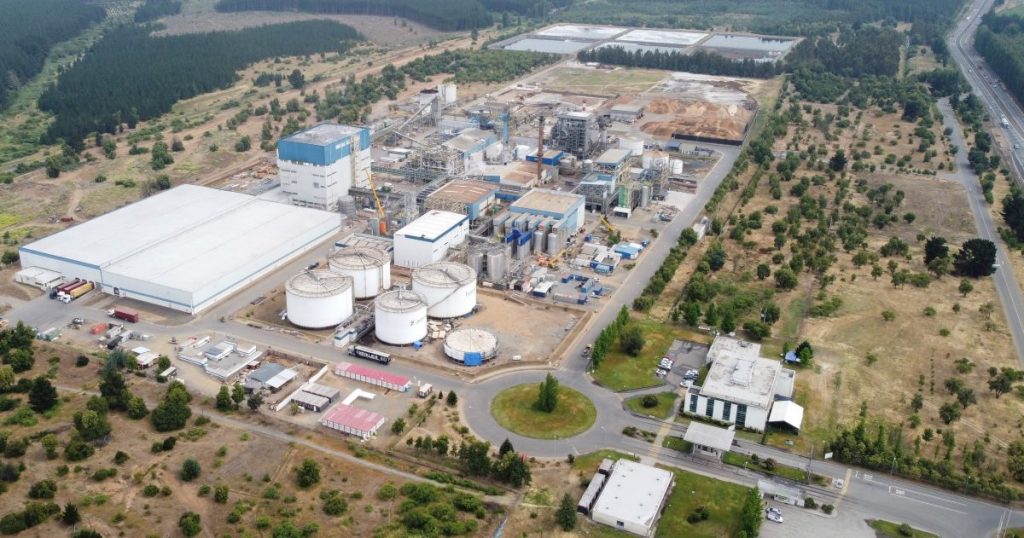
Camila explains that at the Pemuco site in Chile, “close to 100% of the energy used in our production process comes from renewable sources today.” In addition, different energy efficiency projects were carried out. For instance, a pipe network of heat exchangers was installed throughout the plant. This enables, that excess energy from one production stage is captured and reused in another.
BENEO’s functional carbohydrate production plant in Offstein (Germany) is part of a joint site with BENEO’s pulse-processing plant as well as a sugar factory of our sister company Sugar Division. Inken shares that “a key achievement has been the significantly improved networking and cooperation between the relevant stakeholders. This is now more structured and goal-oriented and forms an important basis for future success.”
Responsible water use, food waste and sustainable entrepreneurship
Water plays a key role in manufacturing BENEO’s rice ingredients. That’s why the focus in the production site in Wijgmaal (Belgium) lies on managing water resources responsibly, explains Jonas. “For us, the biggest achievement has been the optimization of the wastewater treatment process. This was combined with raising awareness around water use. Working closely with the engineering and maintenance team, we managed to stabilize the water inflow and installed new compressors. This made the wastewater treatment process more efficient and reduced the energy use.”
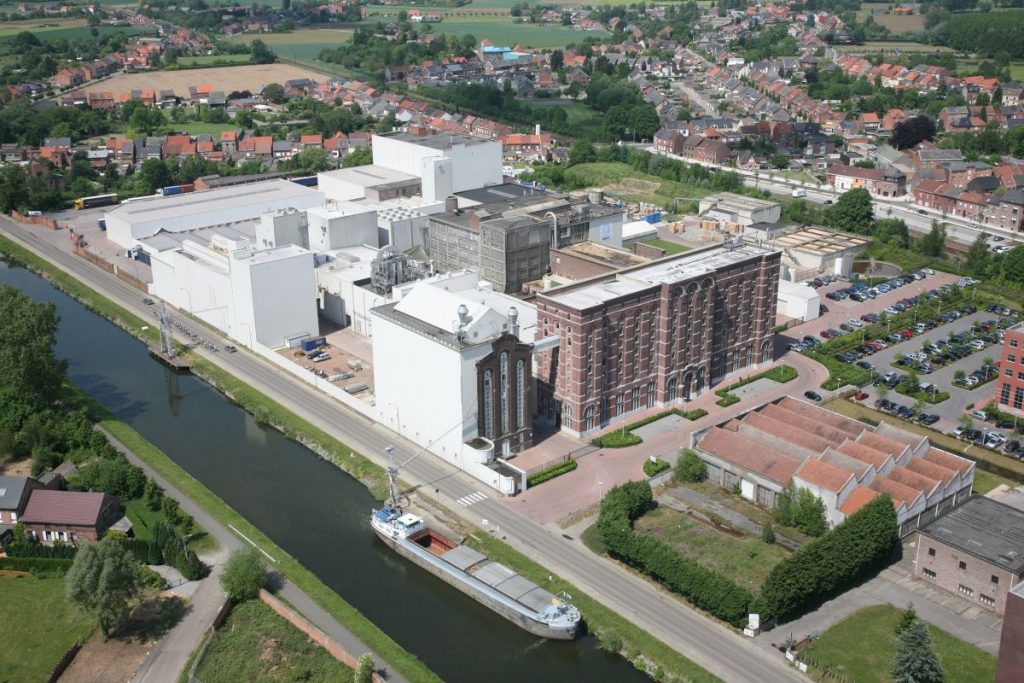
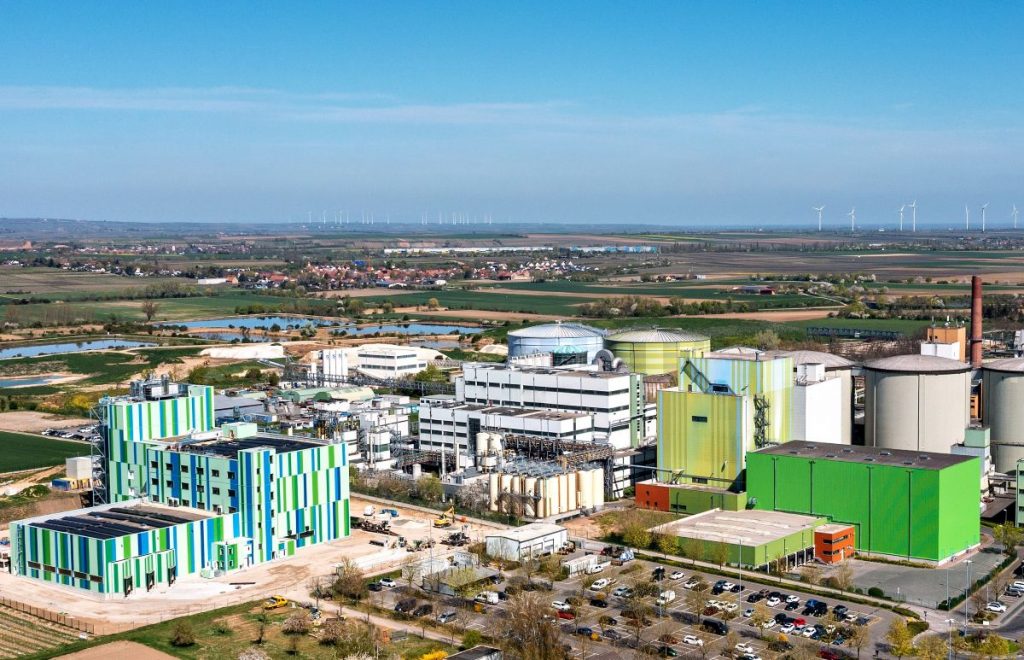
BENEO’s pulse-processing site in Offstein, which opened in 2025, runs on purchased renewable electricity. In addition, the production method requires no water. According to Max, this makes energy saving and food waste the main topics. “First improvements were identifying the pressured air leakages and reducing them”, he explains.
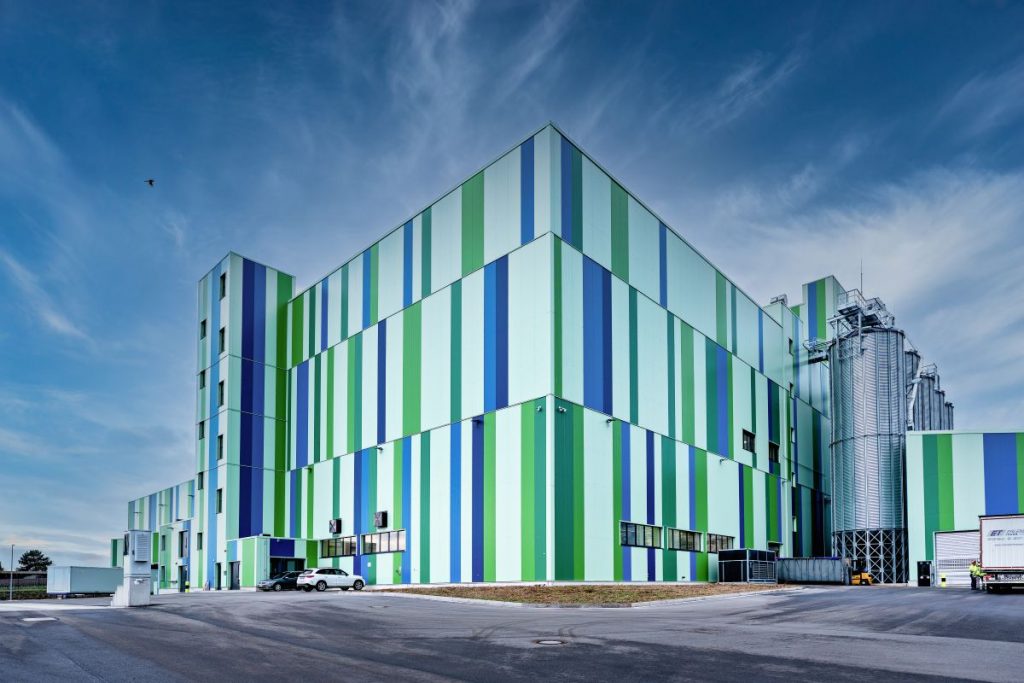
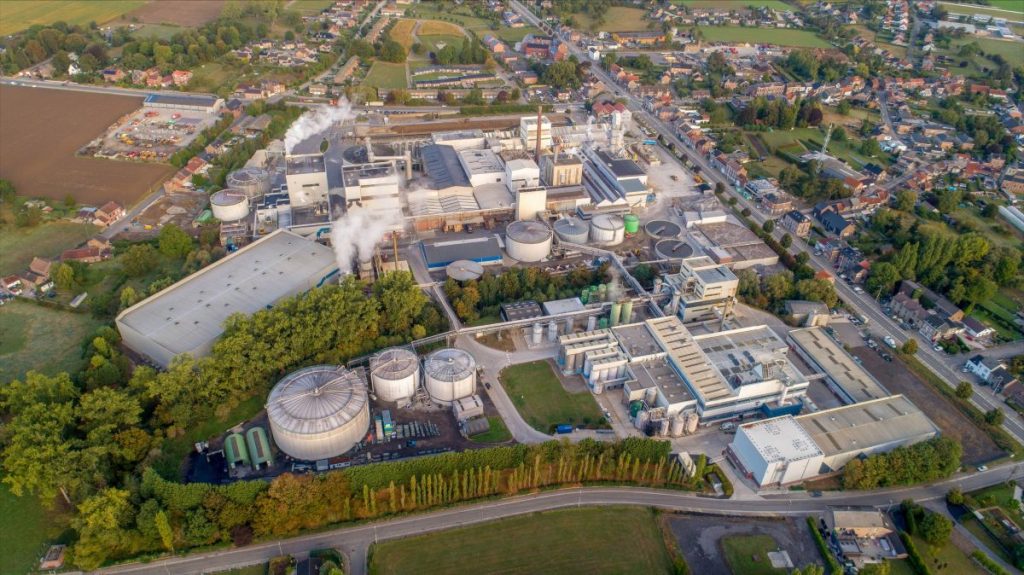
For Stéphanie, the new role came with a special project: “When I was nominated as Ambassador, the Oreye site entered a 3-year certification process for sustainable entrepreneurship. I took the lead in the project with all action owners to structure and achieve our goals for the first year. A second project that came with the role, was being part of the Life Cycle Assessments[i] for our chicory root fibre ingredients. This was another really great experience.”
Sharing best practices and joining forces to overcome challenges
Making progress towards sustainability is a journey without a clear recipe for success. Hurdles, challenges and issues along the way are part of the process – how the team handles and overcomes them will shape how we achieve our goals. While each site is different, certain areas affect everyone. Best-practice sharing and joining forces is part of the work of the Ambassadors.
Data collection is a shared challenge for several Ambassadors – and while first progress has been made, it remains a focus area. Camila from Pemuco shares her view: “Integrating and reconciling all sustainability-related data while ensuring full traceability and proper documentation has been challenging. Incorporating data from our agricultural operations has been particularly complex. Working on this process has significantly improved the quality and reliability of our data. It also enhanced internal processes and allowed us to identify opportunities for efficiency and cost savings.”
Stéphanie and Max highlight a more personal challenge: integrating the new role into their existing one which requires clear prioritization and efficiency.
A shared learning: Reliable, traceable sustainability data and time to coordinate the role are practical enablers of continuous improvement – not back-office tasks detached from operations.
The human element: Personal highlights
To look beyond the technicalities of the new role, I also wanted to hear about personal highlights. For Camila, it is helping people see sustainability as part of operational excellence and long-term responsibility, rather than as a standalone initiative. “What I enjoy most about this role is connecting daily routines and business decisions with a deeper purpose — showing how our work, when done consciously and responsibly, can create a positive impact on people, nature, and future generations.”
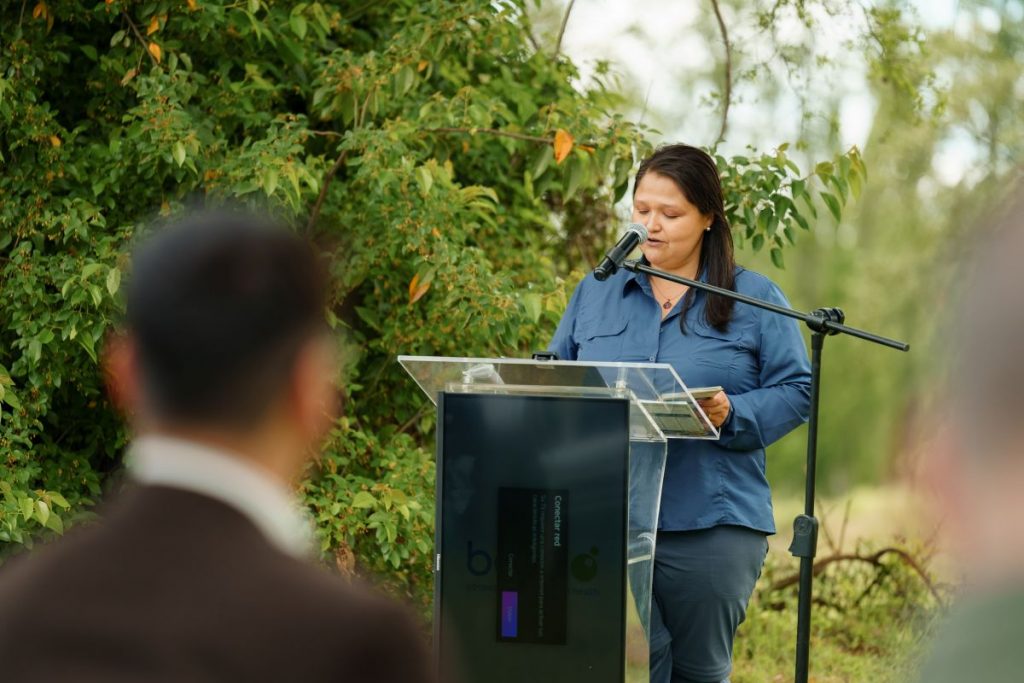
Jonas shares his view: “My personal highlight is keeping sustainability present on the work floor while balancing facility requirements, environmental actions, and wastewater treatment operations.”
For Inken and Max from Offstein, the highlight so far has been the regular exchange across BENEO sites, which provides valuable impulses and ideas as well as motivation.
This sounds similar for Stéphanie who shares that she particularly values creating connections between sites, ideas and people. She also enjoys giving trainings to workers.
Outlook: Current sustainability projects
Sustainability is a journey – but where is ours heading? I asked the BENEO Sustainability Ambassadors in Operations which project will keep them most busy over the rest of the year.
Water management will be a priority for Inken, Jonas and Camila – though their focus projects vary. Jonas will focus on “the development of a visual follow‑up dashboard to improve monitoring, transparency, and decision‑making, supporting more targeted actions to reduce energy and water consumption.” For Camila, the goal is “to move towards more water-efficient production, avoiding any increase in fresh water consumption to reduce groundwater extraction while maintaining operational continuity.” And Inken’s focus will be on “the treatment and reuse of vapor condensate as part of a water-saving initiative”.

Stéphanie shares that she will be busy in the next months with renewing the Oreye site’s engagement in the certification process for sustainable entrepreneurship, summarizing the first year and setting up goals for the second year.
Other projects across the sites include transitioning to a new Environmental Management System, working on energy efficiency and waste reduction.
Collaboration and transparency at the heart of progress
My takeaway: it certainly won’t get boring. The projects show that making more sustainable choices affects basically every part of operations – so working on these will require collaboration within the local teams, across the different production sites and teams as well as BENEO’s sustainability department.
Jonas confirms: “The strong collaboration across teams and the willingness to engage in sustainability initiatives at the site is truly a highlight. This collaboration is key to driving continuous improvement, and it provides a solid foundation to further strengthen energy efficiency, water management, and data‑driven sustainability actions in the future.”
“Sustainability can only be achieved step by step and through collaboration across all levels – everyone contributes their part. Therefore, transparency, strong leadership, and clear communication are essential.”
Inken Jurkat (Offstein, Germany)
This is also an important realization for their role: “Every actor counts in the transition towards a more sustainable future. Our entire value chain, including every employee, from administration to shop floor, must be involved to succeed! As Sustainability Ambassadors alone, we can’t achieve the goal”, highlights Stéphanie.
Max summarizes what it comes down to: “Sustainability is not a project, it is a mindset and a culture which is based on our behaviour and way of thinking. To find the right balance within the day-to-day tasks is key.”
Regular exchange among the Ambassadors fosters best-practice sharing and finding solutions to common challenges. But only the dedication of all employees at the production sites will lead to measurable outcomes. So, a big thank you to all Sustainability Ambassadors in Operations for taking on the additional responsibility and for bringing their local teams onboard on the journey towards more sustainable operations. To learn more about sustainability at BENEO, click here or read our stories on regenerative agriculture or how connecting reforestation and environmental awareness works in Chile.
Key takeaways
✅ Sustainability Ambassadors make the connection between BENEO’s sustainability strategy and day-to-day operational decisions at site level.
✅ Water, energy, waste and data priorities vary by site, so local ownership is essential to identify relevant actions.
✅ Transparent data and structured collaboration help teams monitor progress and focus improvement efforts.
✅ Best-practice exchange across sites gives local teams practical ideas, motivation and a forum for shared challenges.
✅ Sustainable operations depend on participation across the workforce; the Ambassador role is a catalyst, not a standalone solution.
[i] A Life Cycle Assessment (LCA) takes into account not only greenhouse gas emissions linked to a specific product, but also a range of other environmental factors, including water and land use. This differentiates it from a Product Carbon Footprint (PCF).